

When a diagnosis changes the ground beneath you
Some life transitions unfold gradually. A serious diagnosis arrives in a single sentence.
It can shift how you experience time, control, identity, and what matters. There may be moments of clarity, but also long stretches of uncertainty. Even with support around you, much of it can feel internal and difficult to put into words.
This is a space for that part.
Making sense of what you are carrying
A serious health diagnosis is not only a medical experience. It can also be emotional, practical, relational, and deeply personal.
There are decisions to make, hard conversations, boundaries to hold, information to sort through, and moments that do not always have a clear place to land.
You may be in treatment, in recovery, supporting someone you love, or somewhere in between while still trying to hold the rest of your life together.
This work offers space to pause and process what is happening as you are living through it.
Not to fix it. Not to make meaning too quickly. But to help you stay connected to yourself while you move through what is in front of you.



A personal connection to this work
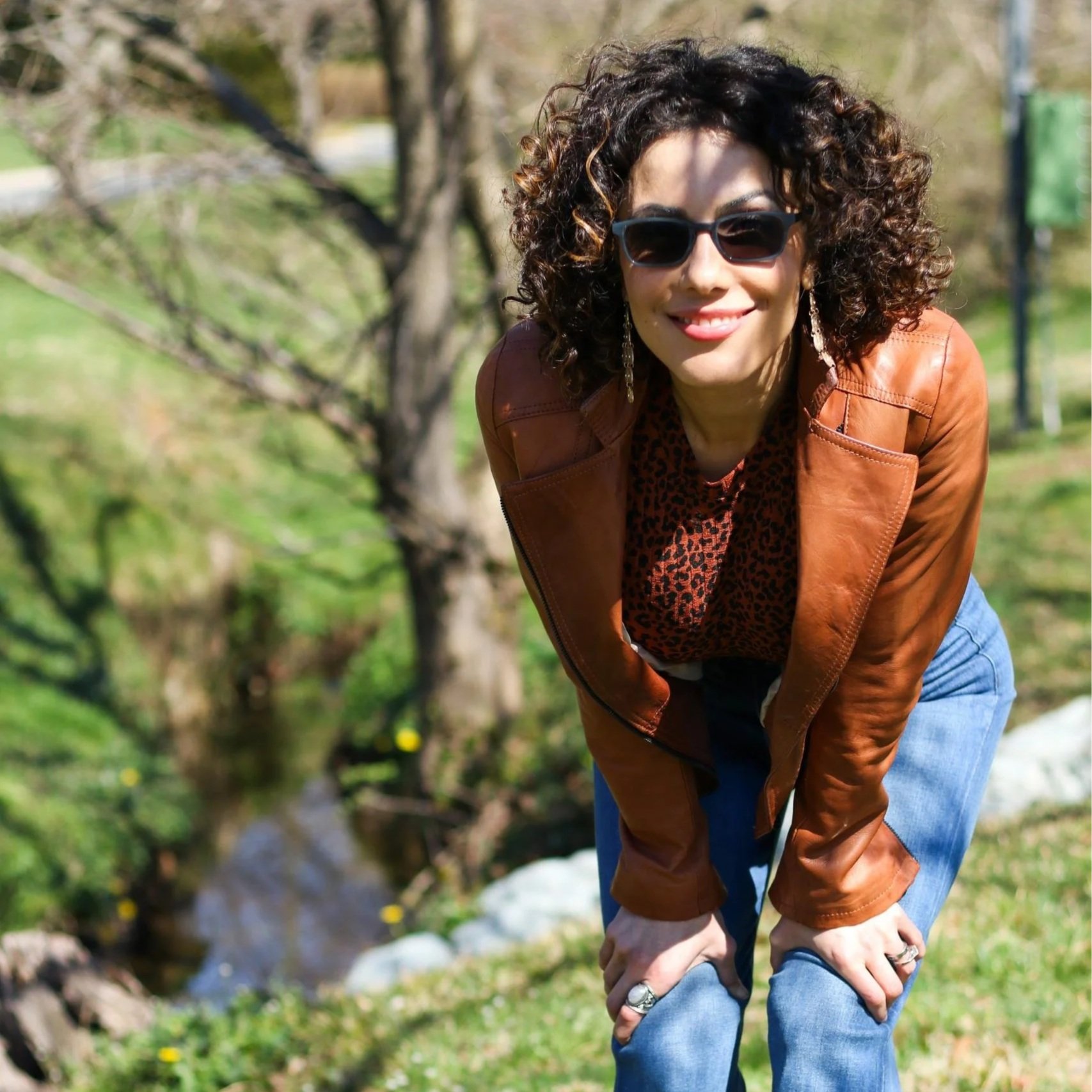
My connection to this work is not only professional. I have lived it.
I understand, in my own way, how disorienting it can feel, how quickly things change, and how much stays unspoken.
That experience has shaped me as a person and as a coach. It has deepened the way I understand uncertainty, energy, self-advocacy, and the quiet leadership it takes to move through something difficult without losing connection to yourself.
It also reminds me that each person’s experience is different. I do not assume I know what yours means. I hold this work with care, respect, and room for the complexity of what you are actually living.

Training and approach
The training that shaped this work most directly is the Cancer Journey Institute. I am a certified Cancer Journey Institute coach, trained to support individuals through the lived experience of cancer — the emotional, practical, and deeply personal parts that often sit alongside medical care.
This work also builds on my broader background as an ICF Professional Certified Coach, an Energy Leadership® Index (ELI) Master Practitioner, and a facilitator working with life transitions, leadership, uncertainty, and change.
My approach is practical, reflective, and human. We may look at what is happening now, what feels hardest to carry, what decisions or conversations are in front of you, and what kind of support would help you stay more connected to yourself through it.
Who this may support
This work may support individuals living with a cancer diagnosis or another serious health disruption.
It may also support caregivers, partners, family members, and loved ones who are carrying their own version of uncertainty while supporting someone else.
Sometimes what brings people here is a specific moment: a diagnosis, a treatment decision, a scan, a recovery period, fear of recurrence, caregiving strain, or a difficult conversation.
Other times, it is quieter. A realization that something has changed and needs space to be understood.
What most people are looking for is not a perfect answer. It is a place to think, feel, speak honestly, and move through the experience with more support and steadiness.
A place to begin
You do not have to know exactly what you need before reaching out.
Sometimes the first step is simply having a place to say what has been hard to carry, what has changed, or what you are trying to make sense of now.
We can begin there.